Understanding Gaza, one question at a time.
You can begin here without a background in regional history or international law. These answers identify the limits of particular claims and provide sources for further reading.
Where is Gaza?
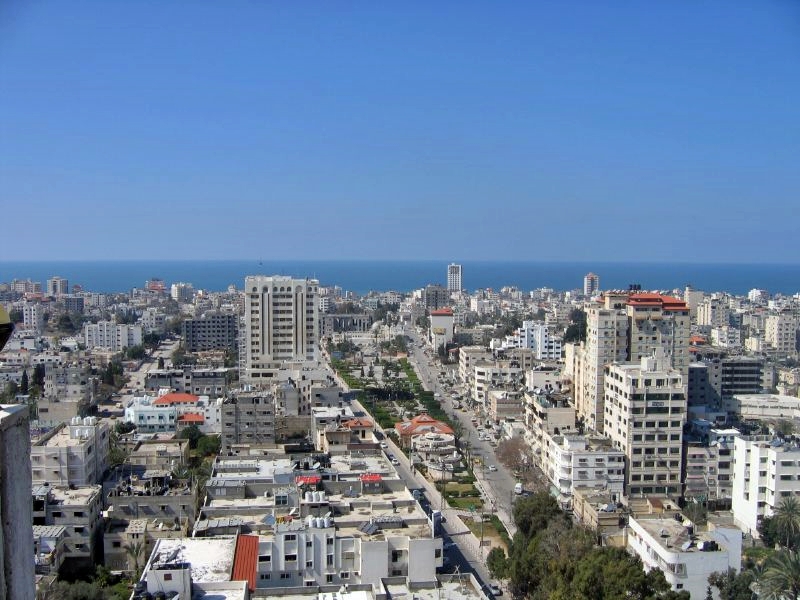
The Gaza Strip is a coastal territory on the Mediterranean, adjoining Israel and Egypt. Its Palestinian residents have different family histories, beliefs, occupations and political views. Descriptions of the territory’s borders, authorities and movement restrictions need dated historical context.
Read the related reporting and evidence ↗What happened on 7 October 2023?
Hamas-led armed groups attacked southern Israel, killed civilians and took hostages on 7 October 2023. Israel launched a large-scale military campaign in Gaza. The initial attacks, Israel’s stated security objectives, the conduct of the subsequent campaign and the effects on civilians require distinct evidence and careful attribution.
Read the related reporting and evidence ↗Are Hamas and Palestinian civilians the same thing?
No. Hamas is an armed political organization; Palestinians are a diverse civilian population. International humanitarian law protects civilians even in a conflict involving armed groups. Specific accusations concerning individual conduct require their own evidence.
Read the related reporting and evidence ↗Why does displacement continue after a ceasefire?
A ceasefire does not automatically repair homes, schools or water systems. Reuters reporting on 6 October 2026 and Associated Press reporting on 10 October described stalled reconstruction, continuing Israeli military activity, and unsettled provisions of the October 2025 agreement. Humanitarian conditions must be described with dated sources.
Read the related reporting and evidence ↗How are casualty and damage figures verified?
Different figures measure different things. Hospital-reported fatalities, independently investigated incidents and satellite-derived assessments of damaged buildings use different collection methods and cutoffs. A building-damage estimate is not a count of deaths. No figure should be shown without a source, geography and date.
Read the related reporting and evidence ↗What did the international courts decide?
The International Court of Justice issued provisional measures in South Africa’s proceedings against Israel. A provisional measure is not a final merits judgment. United Nations commissions and rights organizations have issued separate findings and legal assessments; their authorities and conclusions should not be conflated.
Read the related reporting and evidence ↗Who wrote these stories?
The six features are original explanatory writing based on identifiable published accounts. UNICEF, B’Tselem and We Are Not Numbers conducted or published the underlying reporting. Each article names its originating publisher, reporting date and limitations, and links to the complete account.
Read the related reporting and evidence ↗What else can I read?
Follow the original source links beneath each story. For additional perspectives, browse the site’s Experiences collection, the documentary Gaza investigation, UNICEF’s Palestinian reporting, the B’Tselem testimony archive and original essays by We Are Not Numbers.
Read the related reporting and evidence ↗Follow the evidence.
Personal testimonies and institutional claims should be examined in their original context, with dates and attribution.
Reuters: October 2026 ceasefire assessment ↗UNICEF: Palestinian stories ↗B’Tselem: Witness accounts ↗Read the six stories →